The AI Act is Changing the Landscape of Artificial Intelligence
The EU's AI Act introduces new rules between February 2025 and summer 2027, treating AI systems as regulated products with CE marking requirements for high-risk applications.
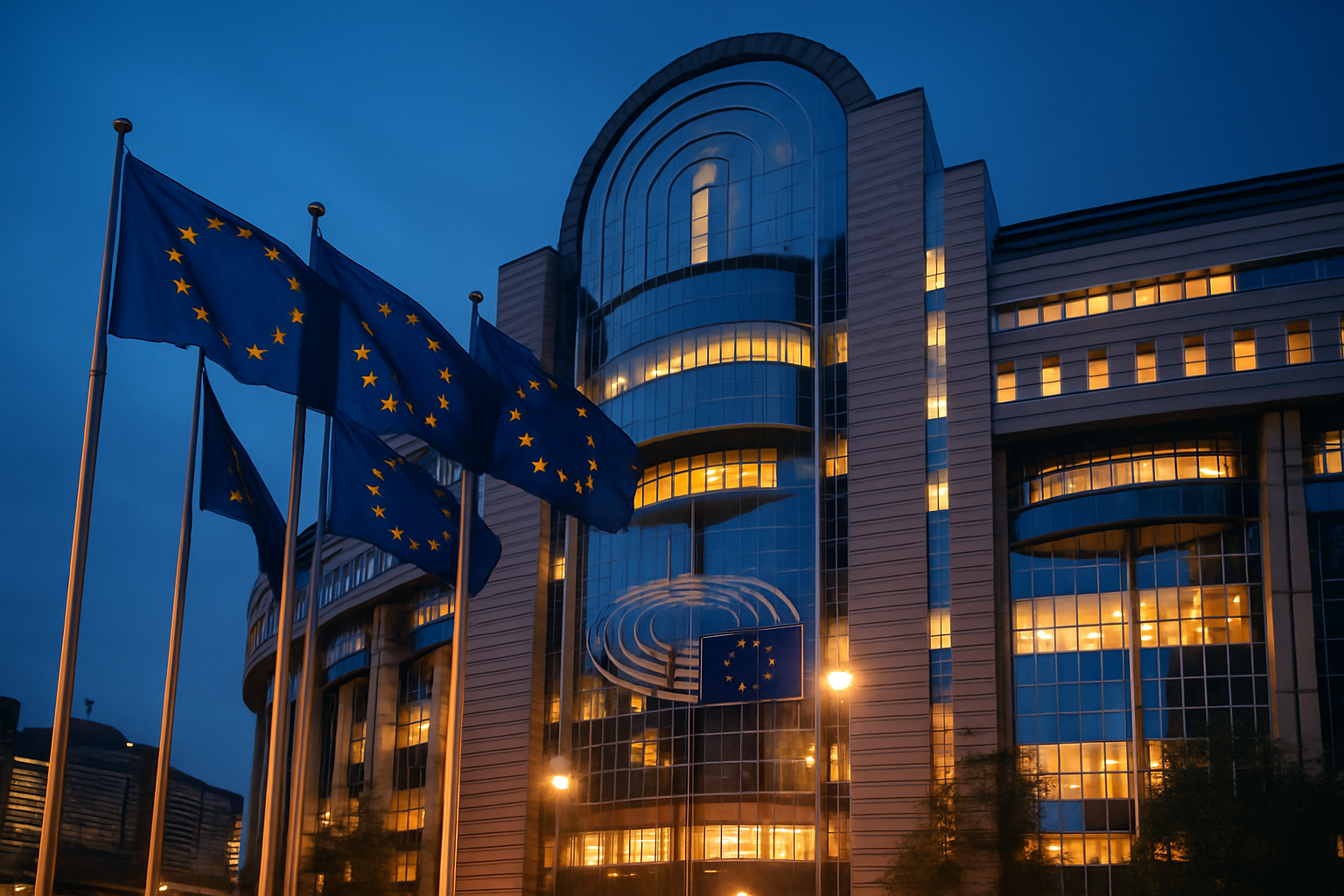
The EU AI Act is a new set of rules being introduced in stages between February 2025 and summer 2027. Are you aware of what this means for your organization?
Purpose of the Regulation
The regulation aims to protect health, safety, and fundamental rights by treating AI systems as regulated products, similar to consumer protection standards that apply to other goods and services.
CE Marking Requirements
Certain high-risk AI applications will require CE marking, comparable to existing requirements for machinery and equipment. This means demonstrating compliance with safety and quality standards before deployment.
Banned Applications
Since February 2025, certain AI applications have been prohibited as they are considered unacceptable. These include:
- Social scoring systems that evaluate citizens based on behavior
- Certain types of biometric surveillance that enable mass monitoring
These prohibitions reflect European values around privacy and human dignity.
Compliance and Enforcement
Swedish authorities will oversee enforcement, with the Swedish Post and Telecom Authority (PTS) proposed as the primary regulator.
Business Implications
According to Susanne Stenberg, Senior Researcher and Legal Expert at RISE: “Companies demonstrating reliable AI systems will gain competitive advantages.”
She emphasizes that “having been involved in developing technical standards, I have realised that interdisciplinary expertise is required.” Compliance requires combining legal, technical, and domain knowledge.
Support Available
RISE offers guidance through research projects and sandboxes for testing compliance in controlled environments. Organizations can access expert support to understand requirements and develop compliant AI systems.
The AI Act represents a significant shift in how AI is governed in Europe—creating both challenges and opportunities for organizations working with these technologies.